
– Floating Wave Attenuator & Breakwater Systems
The Wave Attenuator That Actually Stops
The Damage
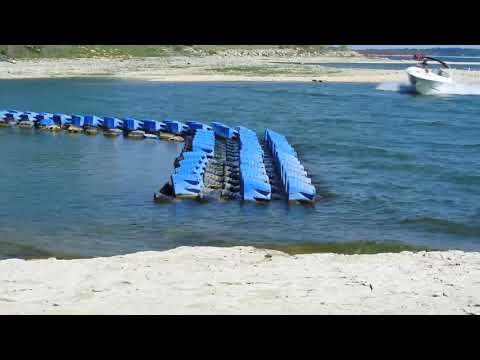
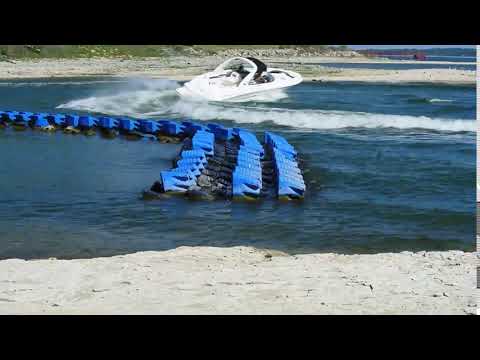
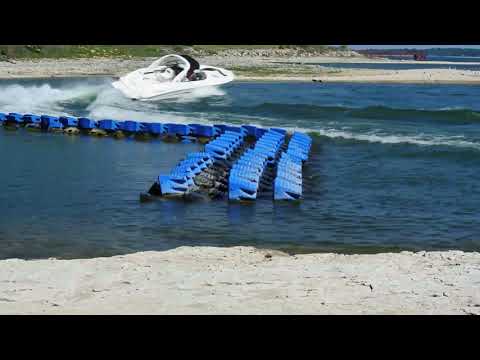
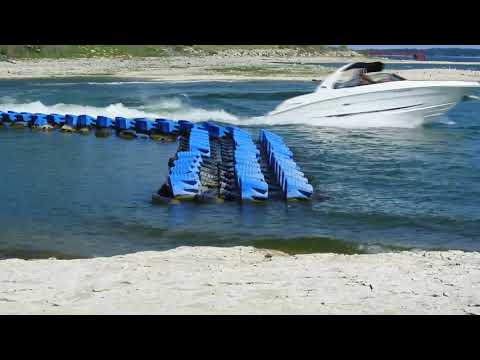
Watch the boats. Watch the wake. Watch it disappear. Wavebrake floating wave attenuators absorb up to 85% of incoming wave energy — protecting docks, marinas, and shorelines without seawalls, permanent structures, or ecological disruption.
✔ Endorsed by Coastal Engineers
✔ Zero Environmental Impact
✔ Custom-Engineered Per Site.
✔ Up to 85% Wave Attenuation
✔ More Protection, Less Cost
✔ Modular - Expand or Relocate
What Is a Floating Wave Attenuator?
– What is it?
A floating wave attenuator is a tethered, buoyant structure positioned between open water and the area you want to protect. As waves pass through the system, their energy is absorbed and dispersed rather than reflected — the wave that reaches your dock is a fraction of the wave that entered.
You'll hear these systems called by different names — wave attenuators, wave breakers, floating breakwaters, wave barriers — but they all describe the same job: intercepting wave energy in the water, before it reaches what matters. Wavebrake is a floating breakwater system engineered to do that job better than anything else on the market.
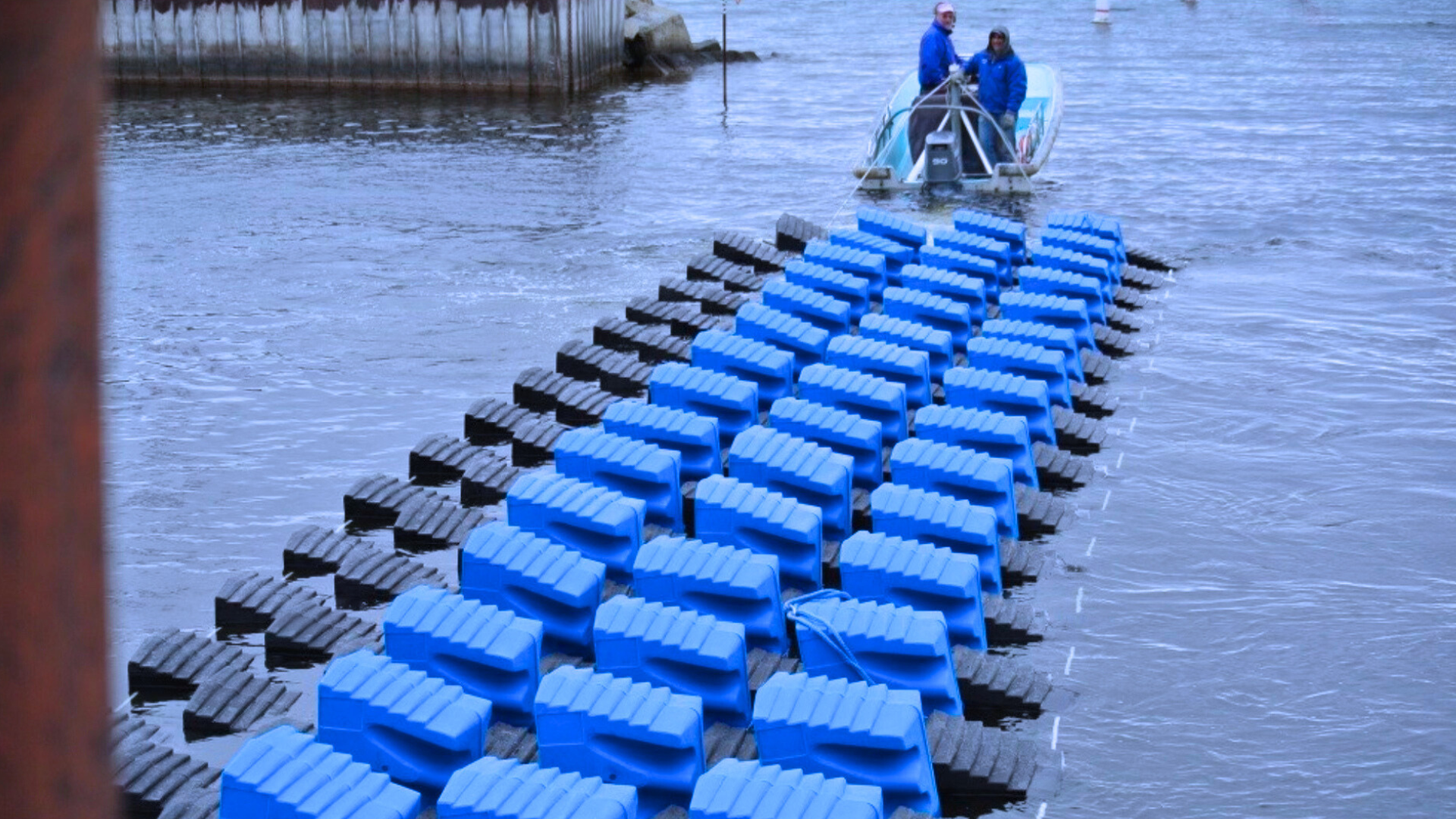
Wavebrake systems are built from modular sections arranged in a multi-row configuration and secured with engineered anchoring designed for your specific site. Because the system floats, it rises and falls with changing water levels — performing the same in spring flood as in late-summer drawdown.
Action Gallery
Watch Wavebrake Perform.
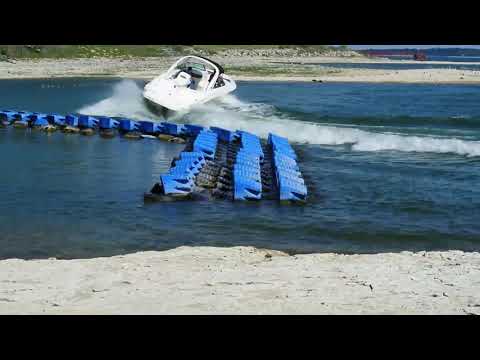
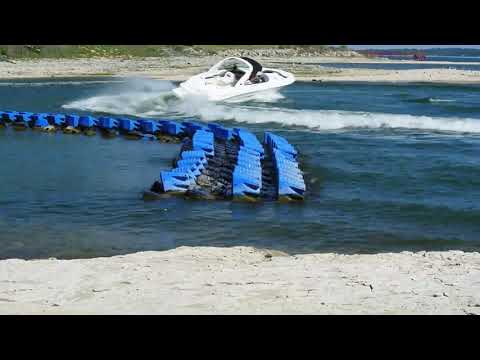
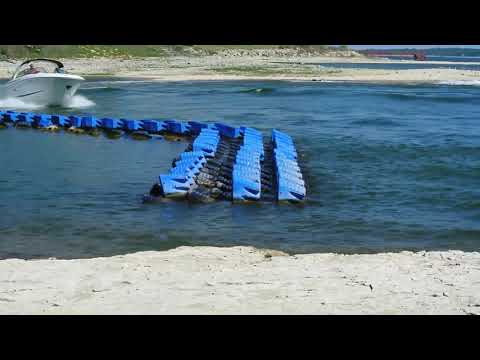
Wave energy is wave energy, whatever the water body. Wavebrake systems protect:
✅ Private docks and boathouses on lakes and rivers
✅ Marinas and multi-slip facilities
✅ Coastal and ocean-exposed shorelines
✅ Waterfront homes and communities
✅ Municipal and commercial waterfront infrastructure
✅ Marine construction and infrastructure projects
Every installation starts with a site evaluation — water depth, wind exposure, wave conditions — so the system is engineered for your location, not sold off a shelf.
Installed in Days, Not Months - No Heavy Equipment.
– Easy Installation
Watch how a Wavebrake system goes in. No barge. No cranes. No pile drivers. The modular sections are assembled on the water and secured with engineered anchoring - your dock stay usable the entire time.
And unlike a permanent breakwater, you’re never locked in. Wavebrake can stay in place year-round as permanent solution, or be repositioned, expanded, or removed as your needs change - all at a fraction of the cost of any traditional breakwater.
Absorption vs. Reflection:
Why It Matters
– Why It Works
Most traditional structures — stone breakwaters, concrete barriers, seawalls — don't remove wave energy. They bounce it. That reflected energy rebounds across the waterway, damaging neighboring shorelines and creating confused, choppy water. Even most floating breakwater systems on the market, like concrete pontoons, work mainly by deflection — moving the problem instead of solving it.
Wavebrake's floating wave attenuator uses the force of Mother Nature against itself — disrupting laminar wave flow and extracting energy through friction and a canceling effect. Wavebrake absorbs and cancels wave energy instead of reflecting it. Calmer water on your side, no rebound damage on anyone else's.
What Competitors Won't Tell You
-The Honest Comparison
Most competing systems — stone breakwaters, concrete pontoons, seawalls — reflect wave energy rather than absorb it, causing rebound damage to neighboring properties. They cost 3–5x more, require heavy machinery to install, damage the ecosystems beneath them, and can never be moved or adjusted once they're in.
↓
Wave Attenuator Built to Last
– Technical Specifications
Every Wavebrake wave attenuator deployment is site-engineered for maximum coastal protection. The four primary performance variables — mass, width, depth, and configuration — are calibrated to your specific wave criteria.
Request a Coastal Protection Consultation
– Get Started
Every Wavebrake wave attenuator begins with a site evaluation. Tell us about your coastal protection or dock protection challenge and our engineers will design a solution specific to your conditions, wave profile, and objectives.
★ Custom coastal protection analysis from expert engineers
★ Site-specific wave attenuator design proposal at no obligation
★ Full regulatory and permitting guidance available
★ Response within 1 business day